Son La Farmers Transform Cultivation Practices to Improve Arabica Coffee Quality and Expand Exports
With more than 44,000 hectares of Arabica coffee plantations, farmers in Son La Province are accelerating the transition toward environmentally sustainable cultivation, improving the quality of coffee-growing regions, expanding advanced processing capabilities, and increasing the value of Vietnamese coffee.
Son La Farmers Adopt Improved Cultivation Practices to Enhance Coffee Quality
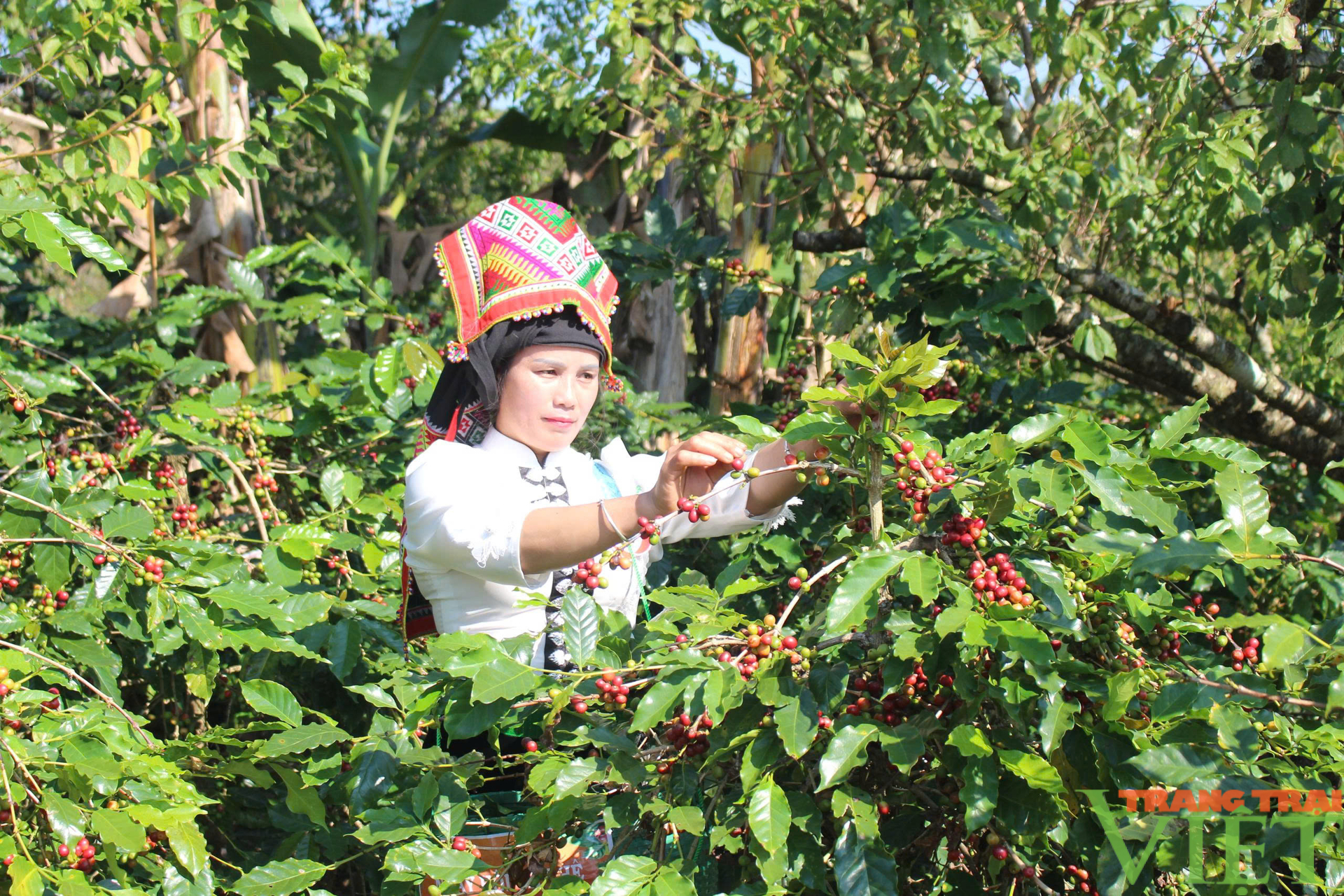
Son La Province offers favorable climatic and soil conditions for Arabica coffee cultivation. Many plantations are located at elevations of 900 – 1,200 meters above sea level, where cooler temperatures and significant differences between daytime and nighttime temperatures provide suitable conditions for plant growth and bean development.
However, much of the province’s coffee-growing area is situated on sloping terrain. As a result, soil conservation, moisture retention, fertility management, and the efficient use of agricultural inputs have become essential factors in ensuring sustainable production.
In Residential Group 10, Chieng Coi Ward, farmer Quang Van Liem and his family cultivate more than two hectares of coffee trees that are currently in the harvesting stage.
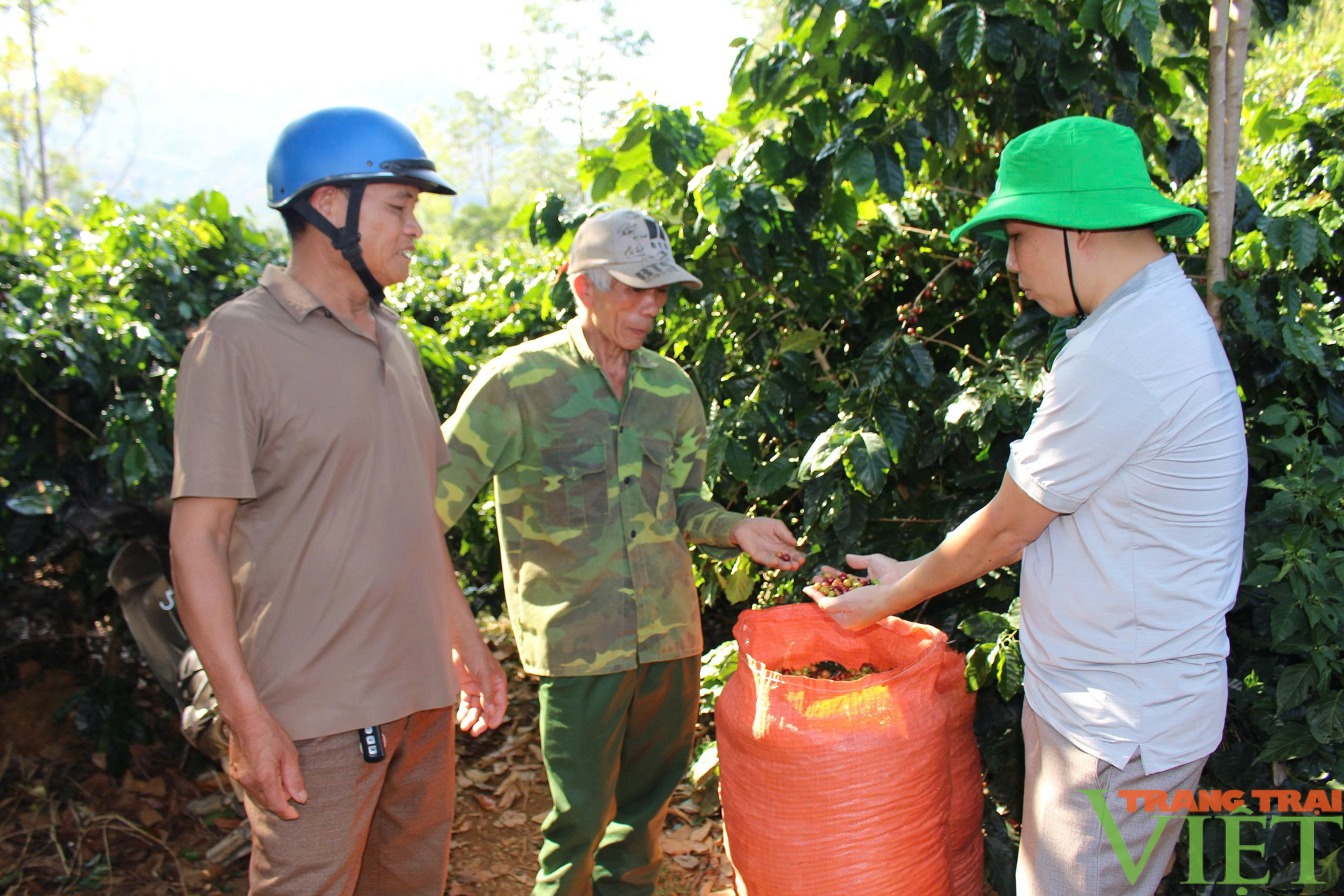
Previously, their farming practices relied primarily on traditional experience, while fertilizer application rates and timing were not always aligned with the plants’ nutritional requirements.
In recent years, through technical training programs, agricultural guidance, and support with farming materials, the family has gradually adopted more effective cultivation methods.
According to Mr. Liem, his family has received instructions on crop management, fertilization at different growth stages, and pest and disease prevention. These improvements have enabled them to manage their plantation more proactively and efficiently. This year, their coffee trees have shown stronger growth and higher yields compared with the previous season.
Beyond improving productivity, these changes also help farmers reduce unnecessary agricultural inputs, protect soil resources, and minimize environmental impacts. Such practices are particularly important in mountainous coffee-growing areas exposed to challenging weather conditions.
Climate-Smart Coffee Farming Initiatives in Son La
In 2026, the Provincial Agricultural Extension and Digital Transformation Center, in collaboration with Binh Dien Fertilizer Joint Stock Company and the Provincial Farmers’ Union, launched a climate-smart coffee cultivation model in Chieng Coi Ward and Binh Thuan Commune.
The initiative involves six farming households covering a total area of 5.1 hectares.
Participating farmers receive technical guidance on fertilizer management according to plant growth stages, pruning, weed control, irrigation, and pest and disease prevention.
The program also encourages the use of biologically derived agricultural inputs to gradually promote more resource-efficient and environmentally responsible production methods.
Through practical demonstration models, advanced agricultural techniques are increasingly being integrated into local coffee farming. These efforts are helping growers develop a stronger understanding of sustainable cultivation, with greater emphasis on bean quality, soil health, and long-term plantation productivity rather than yield alone.
Son La Coffee Industry Strengthens Value Chain Development
Alongside improvements in cultivation techniques, Son La is placing greater emphasis on quality management throughout harvesting and post-harvest processing.
The province currently has more than 1,100 hectares dedicated to specialty coffee production, generating nearly 1,000 metric tons of green coffee beans.
Ripe coffee cherries are carefully selected, while pulping, fermentation, drying, and other processing stages are closely managed to ensure consistent product quality and meet the requirements of higher-value market segments.
Son La has also established two high-tech coffee production zones covering a combined area of 1,039.5 hectares, involving approximately 1,560 farming households.
In addition, the province maintains six integrated production partnerships spanning more than 2,172 hectares, with an annual output of approximately 4,586 metric tons.
Organizing production through designated growing regions and coordinated supply chains enables the consistent application of technical standards, stronger raw material quality control, and closer cooperation among farmers, cooperatives, and enterprises.
Expanding Coffee Processing Capacity and Value-Added Products
Currently, 28 enterprises and cooperatives participate in Son La’s coffee production and processing sector.
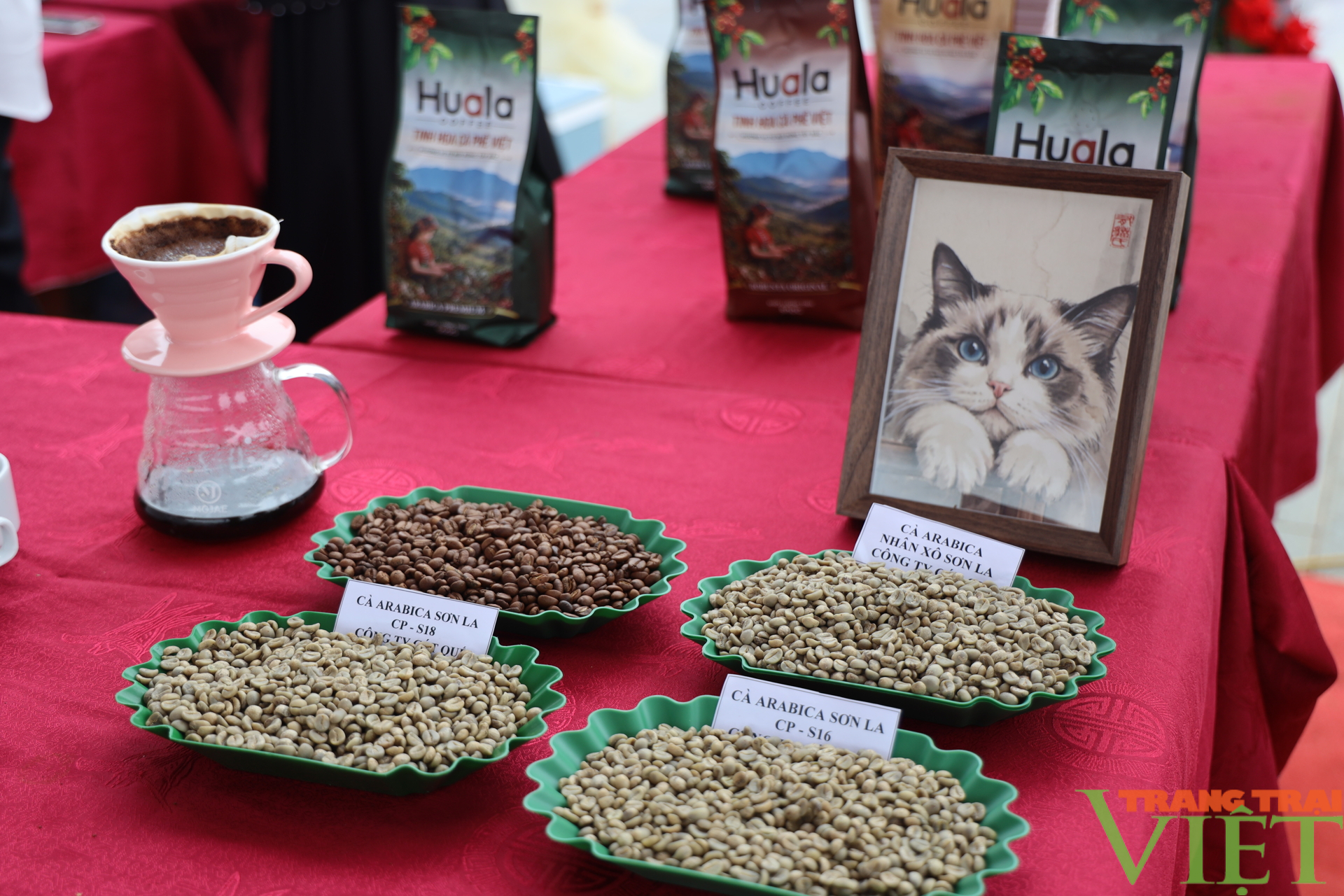
Many have invested in primary processing facilities, roasting equipment, specialty coffee development, and higher-value processed products.
Nevertheless, the province’s advanced processing capacity remains relatively limited at approximately 4,440 metric tons per year, compared with its total annual green coffee output.
This indicates substantial opportunities to unlock additional value within Son La’s coffee industry.
Relying primarily on the production and sale of green coffee beans may limit the economic potential of the region’s raw materials.
Therefore, investment in processing technology, product diversification, advanced manufacturing, and brand development will be increasingly important for improving competitiveness and expanding market opportunities.
Son La Arabica Coffee Strengthens Its Position in International Markets
Over the years, Son La coffee has progressively established its reputation in both domestic and international markets.
In 2017, Son La coffee received Geographical Indication (GI) protection, recognizing the distinctive characteristics associated with its geographical origin.
To date, the province has nine coffee products certified under Vietnam’s One Commune One Product (OCOP) program, while eight organizations have been granted the right to use the “Son La Coffee” geographical indication.
In 2025, the export value of coffee products from Son La exceeded USD 112 million, reflecting the growing commercial importance of the province’s coffee sector.
However, expanding international trade also brings increasingly stringent requirements.
Importers are placing greater emphasis not only on product quality but also on raw material origins, cultivation practices, environmental responsibility, and traceability.
As a result, developing comprehensive plantation databases and improving transparency throughout production have become essential priorities for Son La’s coffee industry.
Strengthening Traceability and Digital Farm Management
To address these requirements, the provincial Department of Agriculture and Environment is reviewing coffee-growing areas, mapping plantation coordinates, and cross-checking agricultural land-use information against forest monitoring data.
At the same time, farmers are being encouraged to maintain production records and improve documentation related to raw material origins.
These initiatives aim to establish a comprehensive digital database that supports production management, traceability, and stronger connections with domestic and international buyers.
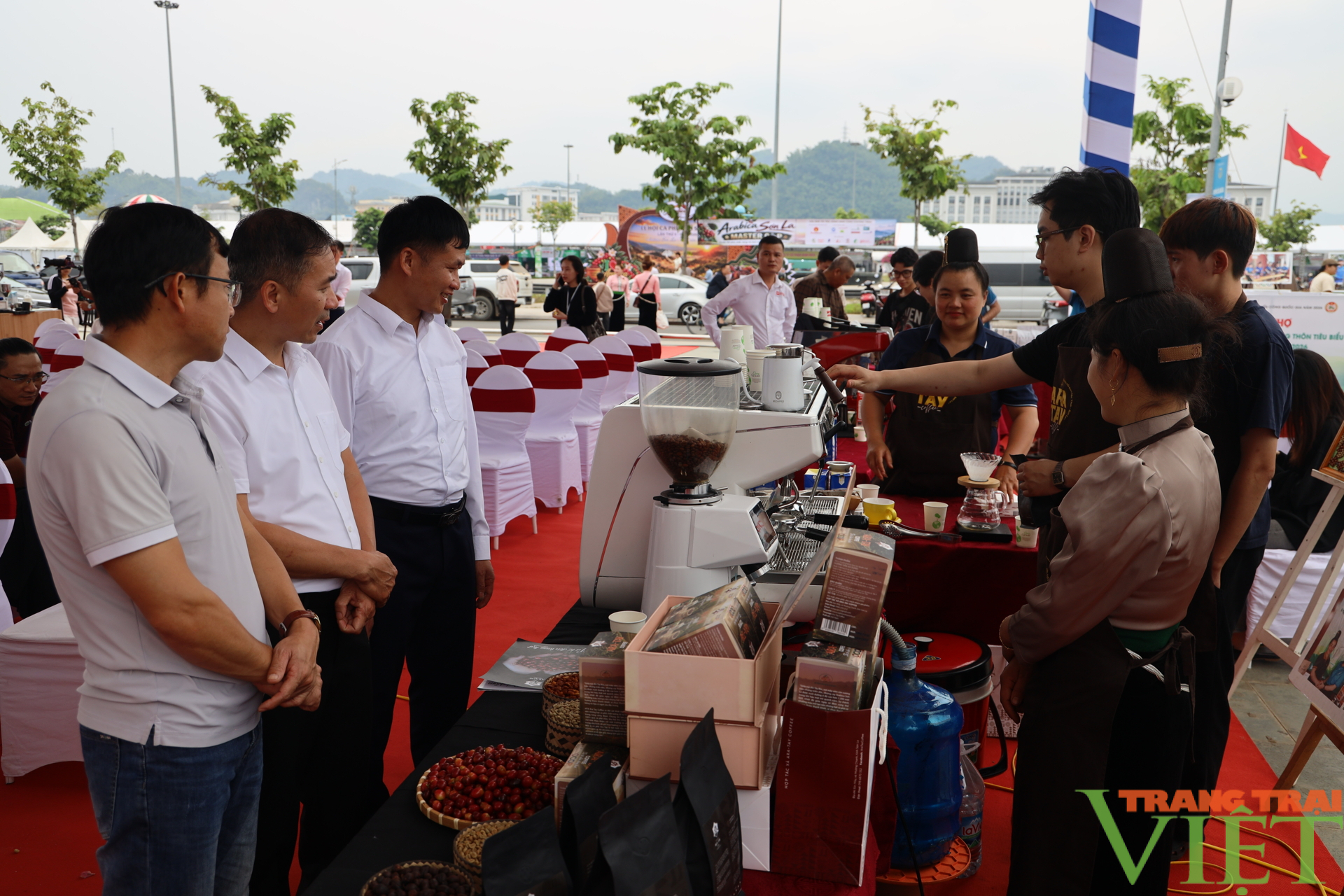
For the 2026 – 2030 period, Son La has set two major development targets:
At least 50% of total coffee production will participate in high-quality value chains.
100% of coffee-growing regions will be digitally mapped and equipped with traceability capabilities.
These objectives are expected to provide an important foundation for restructuring production, improving supply chain transparency, and meeting increasingly demanding standards in both domestic and export markets.
According to representatives of the Son La Department of Agriculture and Environment, the province is committed to developing its coffee industry with a focus on quality, added value, and long-term sustainability.
Key priorities include strengthening raw material production areas, promoting soil conservation practices, improving agricultural input efficiency, digitizing plantation information, and expanding cooperation among farmers, cooperatives, and businesses throughout the production, processing, and distribution chain.
Together, these measures are expected to improve product quality, increase commercial value, and support higher incomes for local coffee growers.
Sustainable Arabica Coffee Development Opens New Opportunities for Son La
From modernizing cultivation methods and strengthening production partnerships to expanding processing capacity and digitizing coffee-growing regions, Son La is gradually transforming its approach to sustainable coffee development.
These initiatives go beyond producing high-quality Arabica beans. They also contribute to protecting soil resources, maintaining productive agricultural land, and creating more stable livelihoods for tens of thousands of farming households.
By combining favorable natural conditions with improved farming practices, transparent supply chains, and value-added processing, Son La is building a stronger foundation for the future of its coffee industry.
This transformation will play an important role in unlocking the full potential of Son La Arabica coffee, strengthening its brand recognition, and increasing the value of Vietnamese coffee in both domestic and international markets.
Source: https://trangtraiviet.danviet.vn/nong-dan-son-la-thay-doi-cach-canh-tac-nang-chat-luong-ca-phe-arabica-xuat-sang-nuoc-ngoai-d1473389.html