Vietnam Becomes the World’s Largest Instant Coffee Exporter
Vietnam has surpassed Brazil to become the world’s largest exporter of instant coffee, a competitive advantage that the country should continue to capitalize on in the coming years.
Vietnam Leads the World in Instant Coffee Exports
At the Vietnam International Coffee Outlook 2026 (VICO 2026), organized by the Vietnam Coffee and Cocoa Association (VICOFA) on November 16 – 17 in Ho Chi Minh City, Vanúsia Nogueira, Executive Director of the International Coffee Organization (ICO), announced that Vietnam had surpassed Brazil to become the world’s largest instant coffee exporter.
During the 2025 – 2026 crop year, Vietnam accounted for 14.2% of global instant coffee exports, followed by Brazil at 11.2%, Germany at 8.9%, Spain at 6.7%, Mexico at 5.9%, Malaysia at 5.3%, and India at 5%.
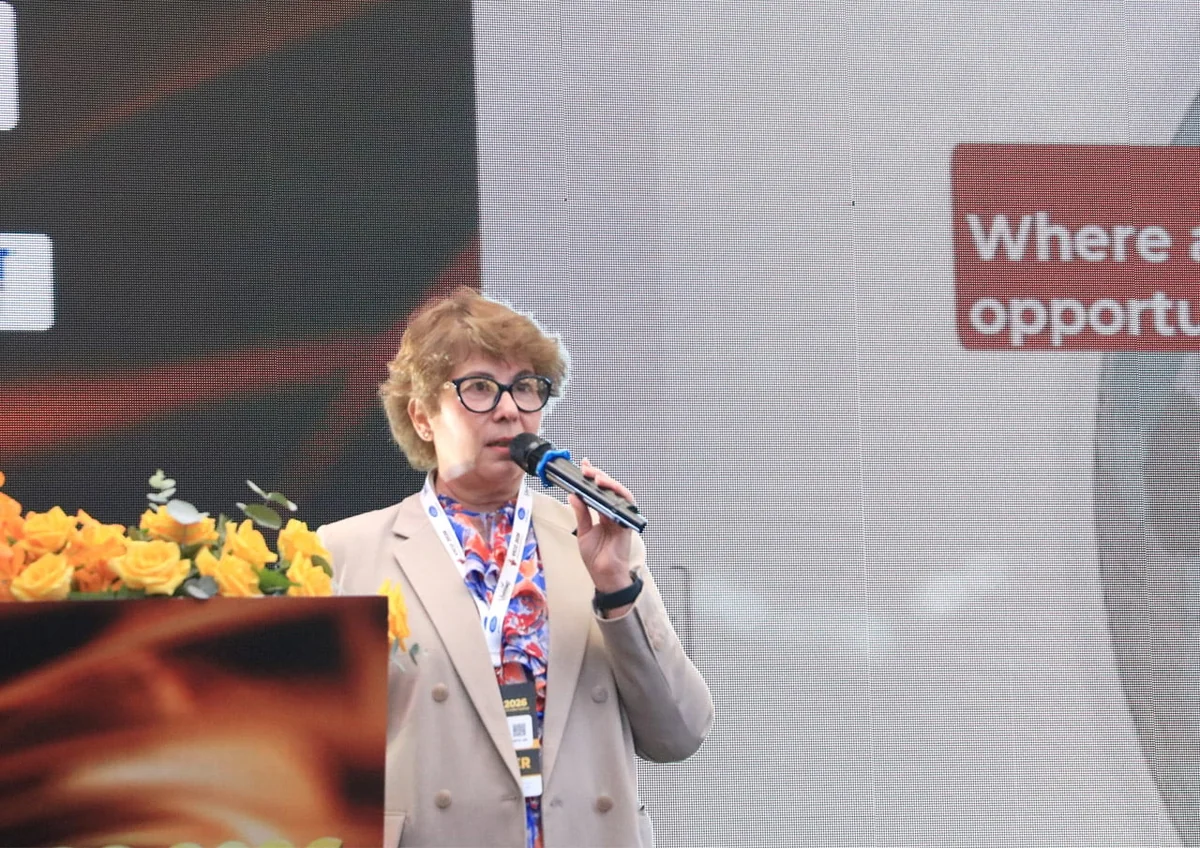
According to Vanúsia Nogueira, instant coffee consumption is growing rapidly worldwide due to its convenience, quick preparation, and time-saving benefits. As a result, this product category holds the largest market share in several countries, including Russia, Japan, and Australia.
Do Ha Nam, Vice Chairman of VICOFA, stated that demand for instant coffee is currently exceptionally strong. Most Vietnamese factories supplying raw materials for its production have already secured sufficient orders to operate at full capacity through the first quarter of 2027.
Value-added coffee products are playing an increasingly important role in Vietnam’s export portfolio. According to VICOFA, export revenue from this segment has achieved double-digit growth. During the 2025 – 2026 crop year, Vietnam exported approximately 142,600 metric tons of processed coffee products, without conversion to green coffee equivalent, generating around USD 1.5 billion. These figures represent increases of approximately 15% in volume and 14% in value compared with the 2024 – 2025 season.
According to Do Ha Nam, domestic and foreign-invested enterprises are expanding production capacity and establishing new facilities for advanced coffee processing. Over the next few years, instant and roasted coffee products are expected to account for a significantly larger proportion of Vietnam’s total coffee exports.
Notably, alongside spray-dried instant coffee, which is widely available in the mass market, demand for freeze-dried alternatives is also increasing rapidly.
Nguyen Hoang Phu, a representative of Rieckermann, stated that demand for freeze-dried coffee is growing substantially, far exceeding existing production capacity. This is because Vietnam has yet to establish large-scale freeze-drying operations. In response to rising market requirements, numerous enterprises are now exploring investment opportunities in domestic freeze-dried instant coffee manufacturing.
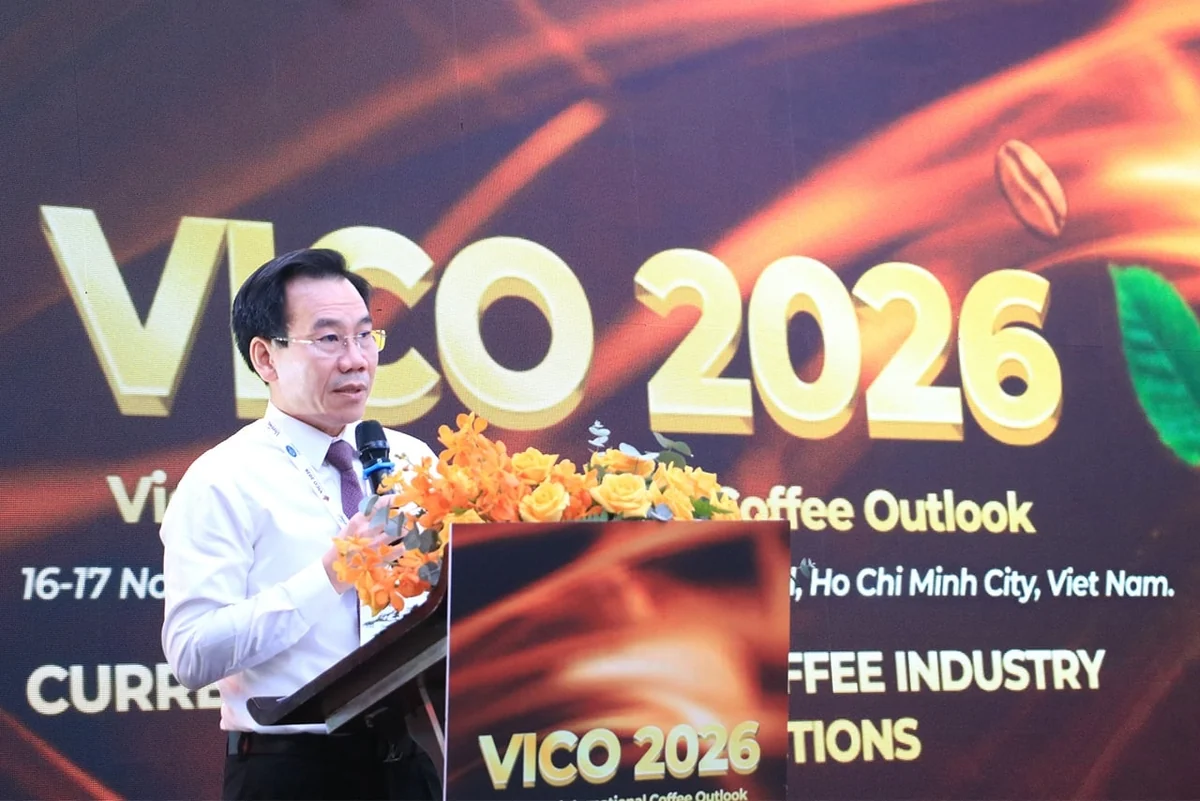
Speaking at VICO 2026, Duong Duc Huy, Director General of the Department of Crop Production and Plant Protection under the Ministry of Agriculture and Environment, noted that Vietnam previously focused primarily on exporting green coffee beans. However, since 2025, the export value of processed coffee has surpassed USD 1 billion. This achievement represents a significant milestone, laying the foundation for the sector to increase export earnings and the proportion of value-added products in 2026 and subsequent years.
Vanúsia Nogueira emphasized that, given Vietnam’s competitive advantages and current global demand, the domestic coffee industry should position instant coffee as a strategic product category to penetrate new markets and accelerate export growth.
Asia Is Set to Become the World’s Largest Coffee Market
According to Vanúsia Nogueira, the global coffee market has undergone significant regional shifts over the past 15 years. Europe remains the largest coffee-consuming region, although its market share declined from 35% in the 2010–2011 crop year to 31% in the 2025–2026 season. Meanwhile, the Asia-Pacific region has experienced substantial growth, with its share increasing from 19% to 27%.
Vanúsia Nogueira also noted that global coffee consumption is currently growing faster than the world’s population. With its considerable demographic advantage, Asia is therefore on track to become the largest coffee-consuming market worldwide in the coming years.
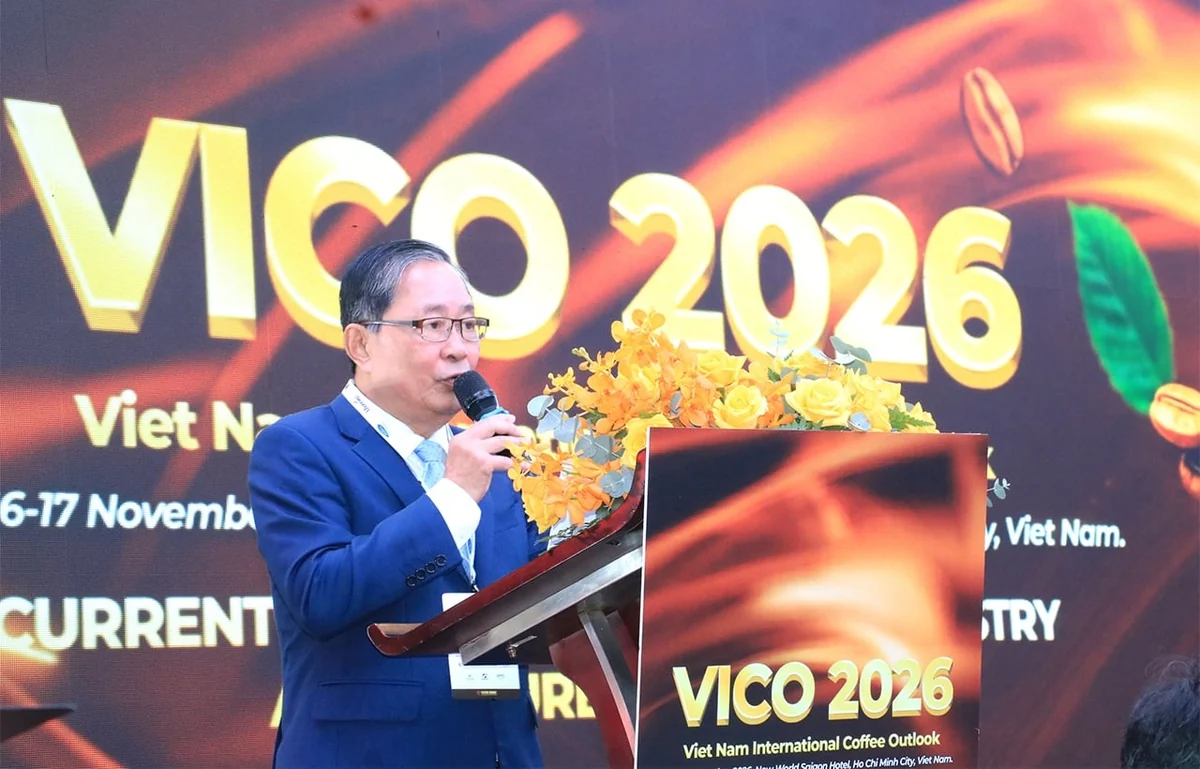
Alongside emerging commercial opportunities, both Vietnam’s coffee sector and the global industry face numerous challenges, including climate change, geopolitical developments, fluctuations in supply and demand, rising production expenses, logistics costs, and exchange rate volatility.
Speaking at the opening ceremony of VICO 2026, Nguyen Nam Hai, Chairman of VICOFA, emphasized that amid these opportunities and challenges, Vietnam’s coffee industry must prioritize several strategic directions and key solutions.
First, the sector should continue developing sustainable and climate-resilient coffee-growing regions. Priorities include plantation rejuvenation, farm rehabilitation, the adoption of scientific and technological innovations, efficient resource utilization, circular agriculture, ecological farming, and low-emission cultivation practices.
At the same time, a unified and transparent data management and traceability system must be established to comply with the EU Deforestation Regulation (EUDR) and other international standards. This requires further development of plantation databases, digital maps, geolocation information, and traceability infrastructure capable of supporting data integration, sharing, and verification.
Moreover, greater investment in technology and modern processing facilities is essential to facilitate a substantial transition from green coffee exports toward higher-value processed products.
While maintaining established destinations, Vietnam’s coffee industry should continue diversifying its export markets, strengthening trade promotion activities, developing a national brand for Vietnamese Robusta coffee, and establishing direct partnerships with roasters and importers worldwide.
Source: https://nongnghiepmoitruong.vn/viet-nam-la-nuoc-xuat-khau-ca-phe-hoa-tan-lon-nhat-the-gioi-d841683.html