Vietnamese Coffee Holds an Advantage Amid Mounting Pressure from New European Market Standards
The European Union’s regulations on deforestation, forced labor, and packaging are introducing additional requirements for Vietnam’s coffee supply chain.

Although Vietnam has been classified as a country with a low risk of deforestation, coffee exporters must still prepare traceability data and demonstrate regulatory compliance.
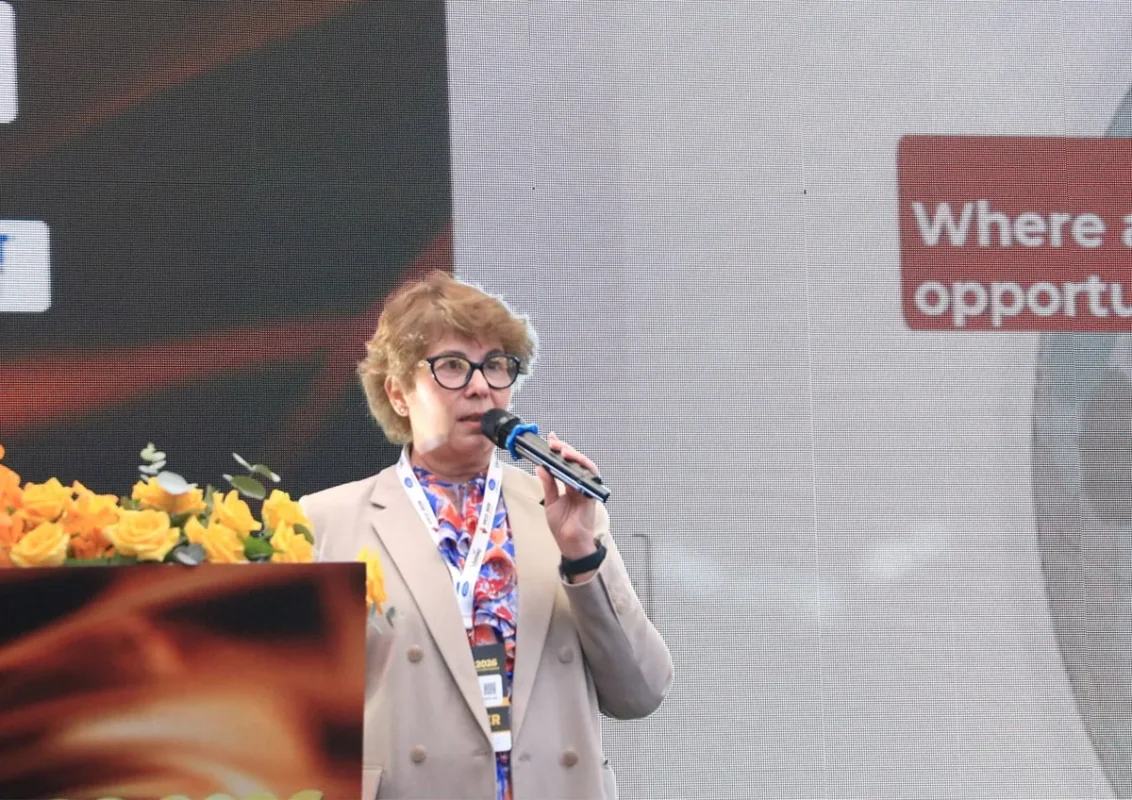
These issues were discussed by international experts during a session on trade achievements, emerging regulations, and market opportunities at the Vietnam International Coffee Outlook 2026 (VICO 2026), organized by the Vietnam Coffee and Cocoa Association (VICOFA) on the afternoon of November 16.
EU Introduces New Regulations Requiring Traceability for Individual Coffee Shipments
Speaking at the Vietnam International Coffee Outlook 2026, Eileen Gordon, Secretary General of the European Coffee Federation (ECF), stated that Vietnam is currently the second-largest supplier of green coffee to the European market, accounting for approximately 20% of the region’s total imports.
Notably, between January and September 2026, coffee imports from Vietnam into the European Union (EU) increased by 26% year on year. According to Gordon, this growth was partly driven by European importers replenishing their inventories following a period of low stock levels.

“Over the past five years, the value of Vietnamese coffee exports to the EU has increased from approximately USD 1 billion to USD 3 billion. Germany is the largest importing market, accounting for 37% of direct coffee imports from Vietnam into the EU, followed by France and Spain,” Gordon stated.
However, opportunities to expand market share come with increasingly stringent requirements regarding environmental protection and supply chain responsibility.
According to Gordon, the EU Deforestation Regulation (EUDR) is expected to apply to coffee from the end of 2026 under the implementation timeline for large enterprises. Small and micro-enterprises will have an additional six months to comply, while instant coffee will have until the end of December 2027.
One of the key requirements under the EUDR is that businesses must provide the geographical coordinates of cultivation areas, demonstrate that their coffee does not originate from land deforested after December 30, 2020, and comply with relevant legislation in the country of production.
“Vietnam has an advantage as the EU has classified it as a country with a low risk of deforestation. Consequently, coffee imported from Vietnam must still meet data and traceability requirements, but the expected inspection rate is only 1%.
Importers are also not required to conduct the same comprehensive risk assessments as those sourcing from high-risk countries,” she added.
In addition to the EUDR, the EU Packaging and Packaging Waste Regulation (PPWR) has been in effect since August 2026. Packaging materials that come into contact with coffee during transportation, including jute bags, bulk bags, and container liners, fall within the scope of this regulation.
Exporters are required to obtain technical specifications and supporting documentation from packaging manufacturers to demonstrate compliance, particularly regarding potentially residual chemicals.
The EU Forced Labour Regulation is also expected to take effect at the end of December 2027, requiring businesses to demonstrate that their products have not been manufactured using forced labor, including forced child labor.
Increasing Value Rather Than Relying Solely on Export Volume
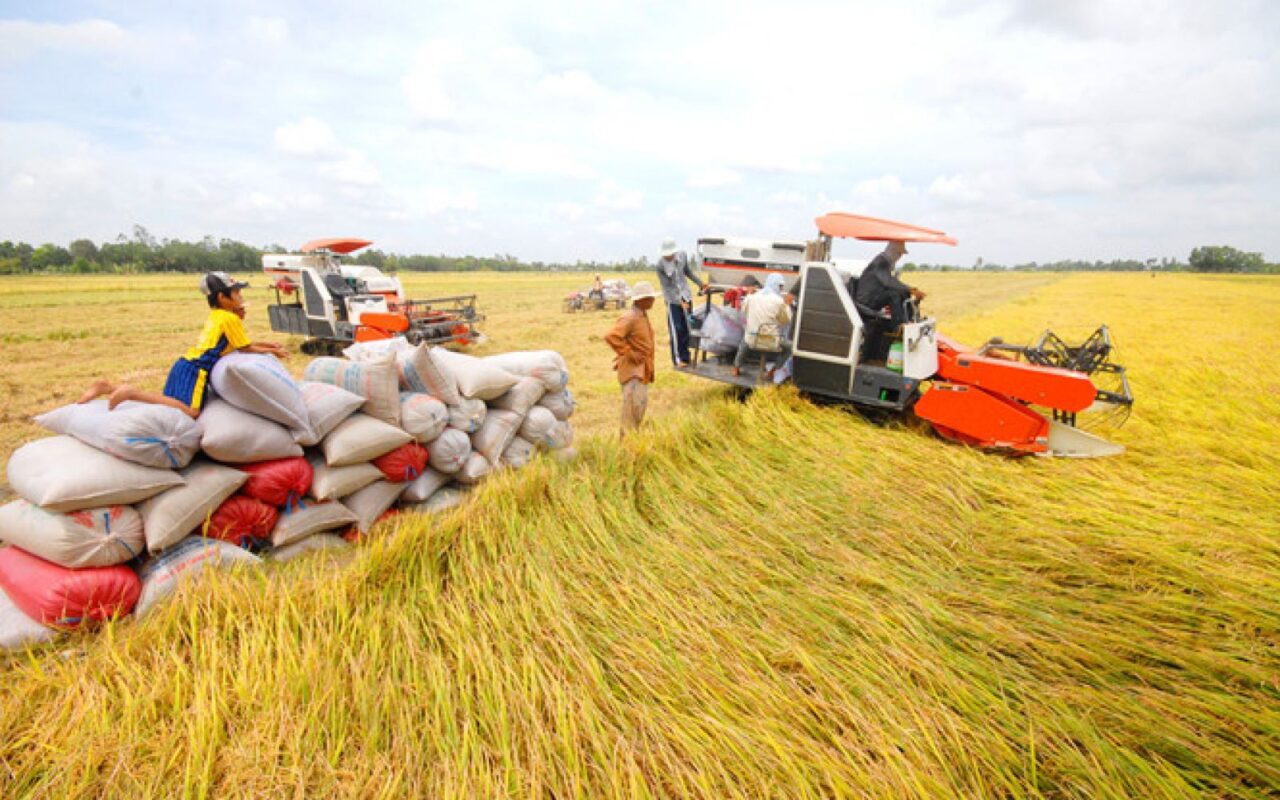
Speaking at the opening ceremony, Nguyen Nam Hai, Chairman of the Vietnam Coffee and Cocoa Association (VICOFA), stated that Vietnam exported approximately 1.8 million metric tons of coffee during the 2025–2026 crop year, representing a 21% increase compared with the previous season. Export revenue exceeded USD 8.6 billion, reaching an all-time high.
However, while shipment volumes increased by approximately 21%, export earnings rose by only nearly 1%. The average export price declined by approximately 16.5% compared with the previous crop year. Green coffee still accounts for around 90% of total exports, highlighting significant potential for advanced processing and value-added product development.
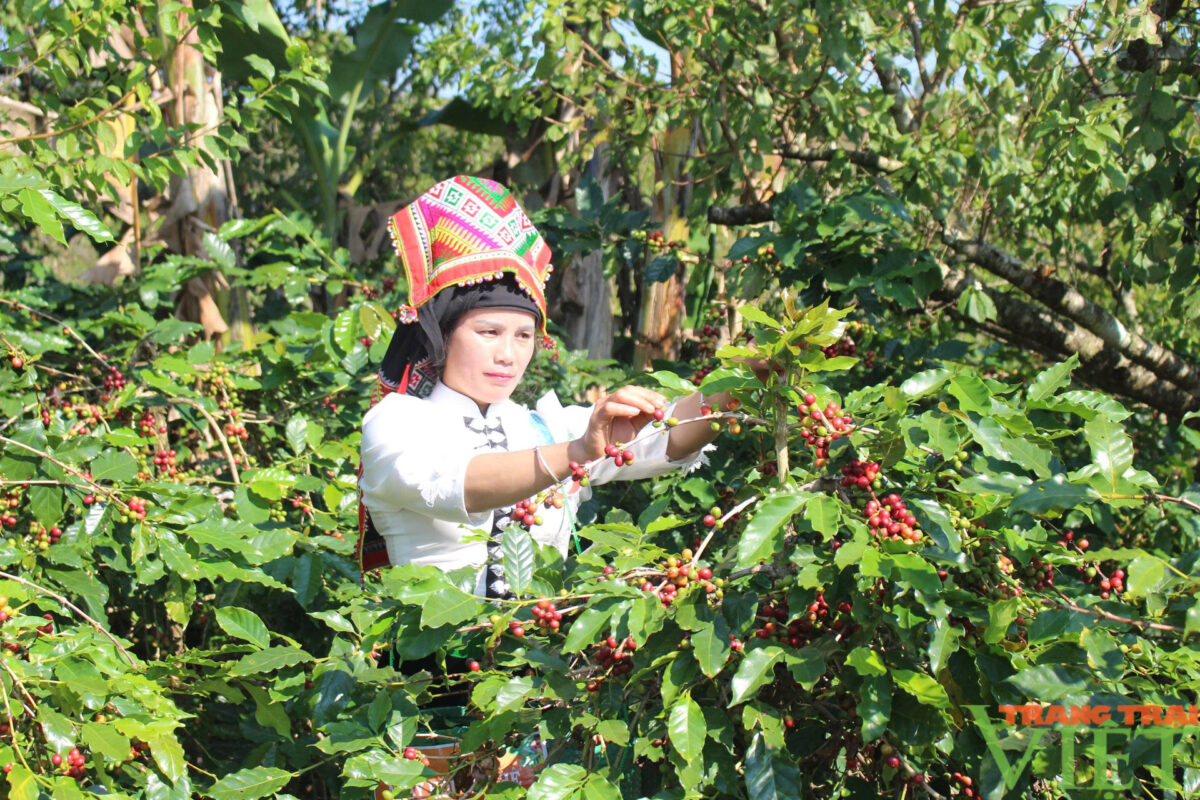
According to VICOFA representatives, the coffee industry needs to accelerate plantation rejuvenation, adopt scientific and technological innovations, develop climate-resilient growing regions, and strengthen data management and traceability systems to meet international standards.
Duong Duc Huy, Director General of the Department of Crop Production and Plant Protection, also reported that Vietnam exported more than 1.56 million metric tons of coffee during the first ten months of 2026, generating over USD 7.08 billion in revenue.
The coffee industry needs to shift from a production-oriented mindset toward an agricultural economic approach, prioritizing productivity, quality improvement, advanced processing, and brand development. This strategic direction is considered essential for Vietnamese coffee to maintain its position within the global supply chain while increasing the economic value derived from each unit of production.

Source: https://tuoitre.vn/ca-phe-viet-co-loi-the-truoc-suc-ep-tieu-chuan-moi-tu-thi-truong-chau-au-100261116175403969.htm