South Korea and Japan Launch Rice Tenders: Positive Signal for Vietnam’s Year-End Rice Exports
Vietnam exported 6.3 million tons of rice in the first nine months of the year, generating more than USD 3 billion in revenue. New tenders for tens of thousands of tons from South Korea and Japan are creating fresh demand for the final months of the year.
At the end of the first three quarters, Vietnam’s rice trade recorded a slight decline in both volume and value compared with the same period last year. However, the market is now seeing positive signals from East Asia, as two major economies move to open large-volume rice import tenders at the same time.
This is considered an opportunity for Vietnamese exporters to optimize new-crop supply and improve profit margins during the final stretch of the year.
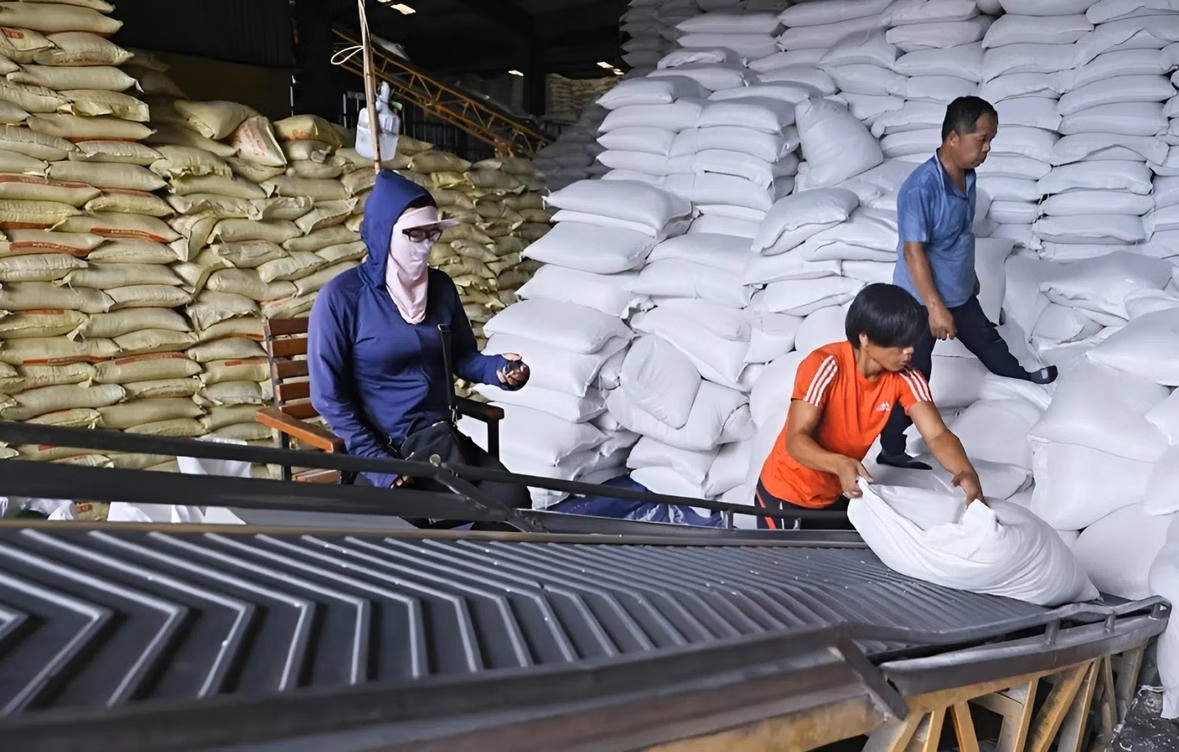
South Korea’s Market Paradox: Domestic Surplus, Yet Strong Demand for Imported Rice
The Korea Agro-Fisheries & Food Trade Corporation has announced the eighth rice import tender of 2026. The purchase volume has been set at 56,600 tons of non-glutinous rice from various global origins. Bidders are required to submit their offers by October 28, before the electronic tender officially takes place the following morning. The cargo is expected to arrive between January and September 2027. South Korea’s decision to import a large quantity of non-glutinous rice comes as the country continues efforts to rebalance its domestic market.
According to data from the Vietnam Food Association, South Korea’s rice surplus in 2026 fell by 60% compared with last year, declining to 66,000 tons. This figure is far below the government’s earlier forecast of 165,000 tons. The result reflects strong policy intervention aimed at adjusting cultivated area and tightening supply management. To protect farmers and stabilize prices, the Seoul government is introducing substantial financial support measures. Specifically, the government and the National Agricultural Cooperative Federation have committed KRW 3.9 trillion in funding.
The funds will be used to recover 120,000 tons of rice previously lent to the private sector and to purchase an additional 400,000 tons to strengthen public reserves toward the end of the year. Advance payments to rice farmers have also been raised sharply, from KRW 40,000 to KRW 60,000 per 40-kg bag of unmilled rice.
Japan: International Tender Amid a Sharp Decline in Brown Rice Prices
At the same time, Japan’s Ministry of Agriculture, Forestry and Fisheries has also announced a tender to import approximately 25,000 tons of rice. The tender is scheduled for October 28 under a simultaneous buy-and-sell mechanism, marking the second tender of fiscal year 2026 – 2027. Japan’s decision to purchase rice from overseas comes even as domestic supply remains in surplus.
Japan’s rice production in 2026 is estimated at more than 7.4 million tons. Although this represents a decline of around 1% from the previous year due to reduced planting area, total supply still exceeds actual demand by approximately 300,000 tons. Private-sector inventories have also expanded to record levels after the government released reserve stocks earlier in the year to stabilize the market.
The government is additionally planning to purchase another 210,000 tons to reinforce the national food security reserve system. Abundant supply, combined with pressure to clear inventories, has driven domestic rice prices lower. Statistics updated in mid-October show that the average wholesale price of new-crop brown rice fell by as much as 42% year-on-year, to JPY 21,293 per 60kg bag.
Weak consumption also caused trading volume to decline by 66%, marking the second-lowest September trading level since records began in 2006. However, adverse weather conditions, including prolonged rainfall and limited sunshine in the Tohoku region, have raised concerns over a possible decline in new-crop rice quality. This has prompted Japanese authorities to remain flexible on imports in order to diversify the country’s reserve portfolio.
What Opportunities Remain for Vietnamese Rice in the Final Stretch?
Despite developments among major buyers, Vietnam’s rice export sector continues to maintain active trading momentum. In September 2026, Vietnam exported 433,778 tons of rice, generating more than USD 223 million in revenue. Traditional markets continued to play a leading role in absorbing Vietnamese supply. The Philippines remained the largest buyer, importing more than 84,000 tons, followed by Ghana, China, and Côte d’Ivoire.
Looking at the broader picture, Vietnam exported more than 6.3 million tons of rice in the first nine months of the year, with total export turnover exceeding USD 3.05 billion. Compared with the same period in 2025, export volume declined by 6.72%, while export value fell by more than 12%. This reflects the impact of tighter global rice supply conditions as well as shifts in Vietnam’s domestic crop structure.
Even so, port activity is showing clear signs of recovery. In nearly the first three weeks of October alone, five large vessels arrived at ports in the Ho Chi Minh City area, preparing to load more than 20,400 tons of various rice products. The fact that highly demanding markets such as Japan and South Korea are opening tenders at the same time not only helps create additional outlets for Vietnamese rice, but also provides a practical opportunity for exporters to demonstrate product quality and competitiveness. This could support a recovery in export growth during the final quarter of the year.
Source: https://nguoiquansat.vn/hai-nen-kinh-te-lon-thu-tu-va-top-10-the-gioi-dong-loat-dau-thau-gao-tin-hieu-vui-cho-xuat-khau-lua-gao-cuoi-nam-324008.html