
El Niño Threatens Brazil’s Coffee Crop: Can Irrigation Protect a Record Harvest?
El Niño is threatening Brazil’s coffee crop, which is currently forecast to reach record output, as erratic weather conditions put both flowering and harvesting at risk. However, thanks to proactive investment in irrigation technology and improved farming practices, the country’s Robusta/Conilon-growing regions are showing greater resilience than in previous El Niño cycles.
Brazil is entering a period of heightened weather uncertainty, with El Niño expected to have an increasingly visible impact on agricultural production.
For coffee, the main concern is not limited to the current harvest. The flowering, fruit-setting, and development stages of the next crop are also at risk.
According to forecasts from Conab, Brazil’s National Supply Company, the country’s coffee production could reach a record 66.7 million 60-kilogram bags in 2026. However, the Brazilian Coffee Industry Association has warned that El Niño could reduce actual output by around 15–20% if extreme heat and irregular rainfall occur during critical stages of crop development.
Heat and Irregular Rainfall Threaten Coffee Trees
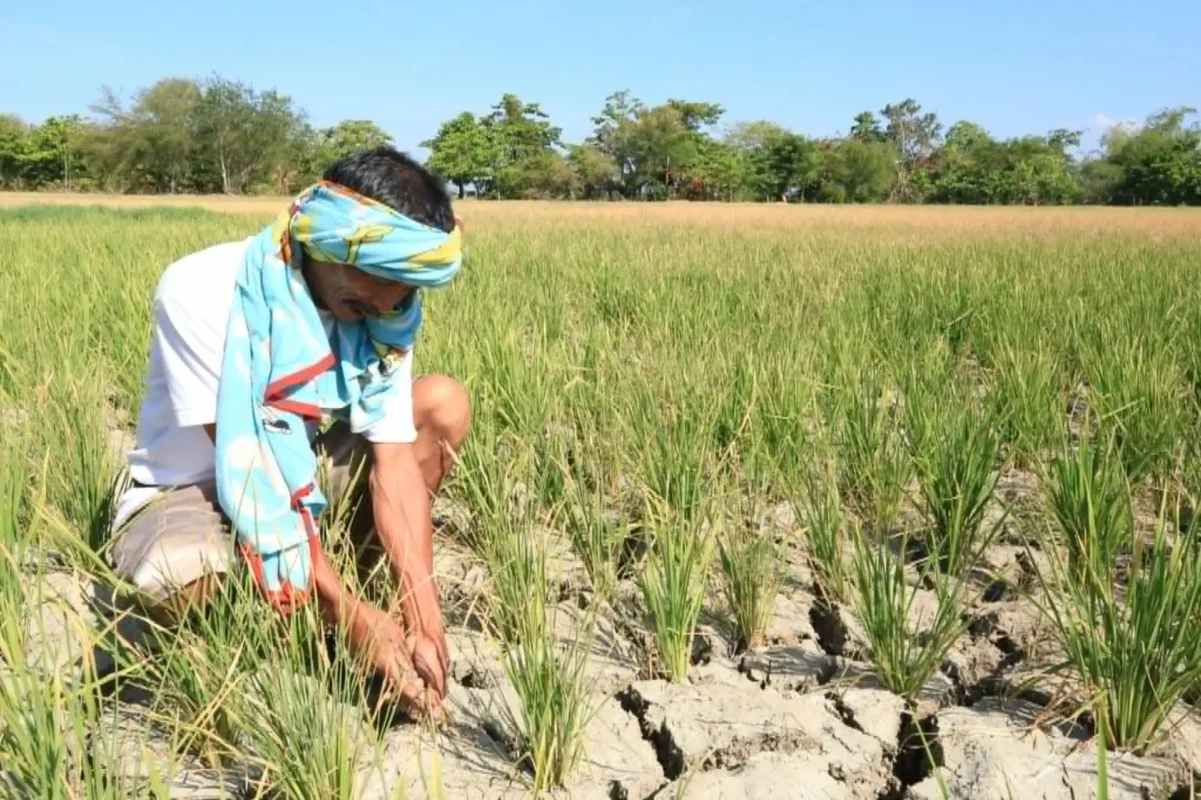
The impact of El Niño is not uniform across Brazil. Some regions may receive above-average rainfall, while others could face intense heat, drought, or rain arriving at the wrong time.
For coffee trees, unstable weather during the flowering stage is particularly dangerous. The plants need adequate rainfall to trigger uniform flowering, followed by a relatively dry period to support pollination and fruit formation.
If rain arrives too early, too late, or is interrupted by prolonged heat waves, flowering may become uneven, fruit-set rates may decline, and cherry development can be affected.
High temperatures also accelerate water loss from the plants, causing physiological stress and potentially reducing both yield and bean quality.
Arabica Coffee Faces Greater Risk
Weather risks are affecting both Arabica-growing areas and Canephora-producing regions, which include Robusta and Conilon.
However, Arabica-producing areas may be more vulnerable because a smaller share of plantations is equipped with irrigation systems compared with many Canephora-growing regions.
In Brazil, Arabica coffee is cultivated mainly in states such as Minas Gerais and São Paulo. Many farms in these areas still depend heavily on natural rainfall. When temperatures rise and precipitation becomes less reliable, growers have fewer options to provide supplemental irrigation.
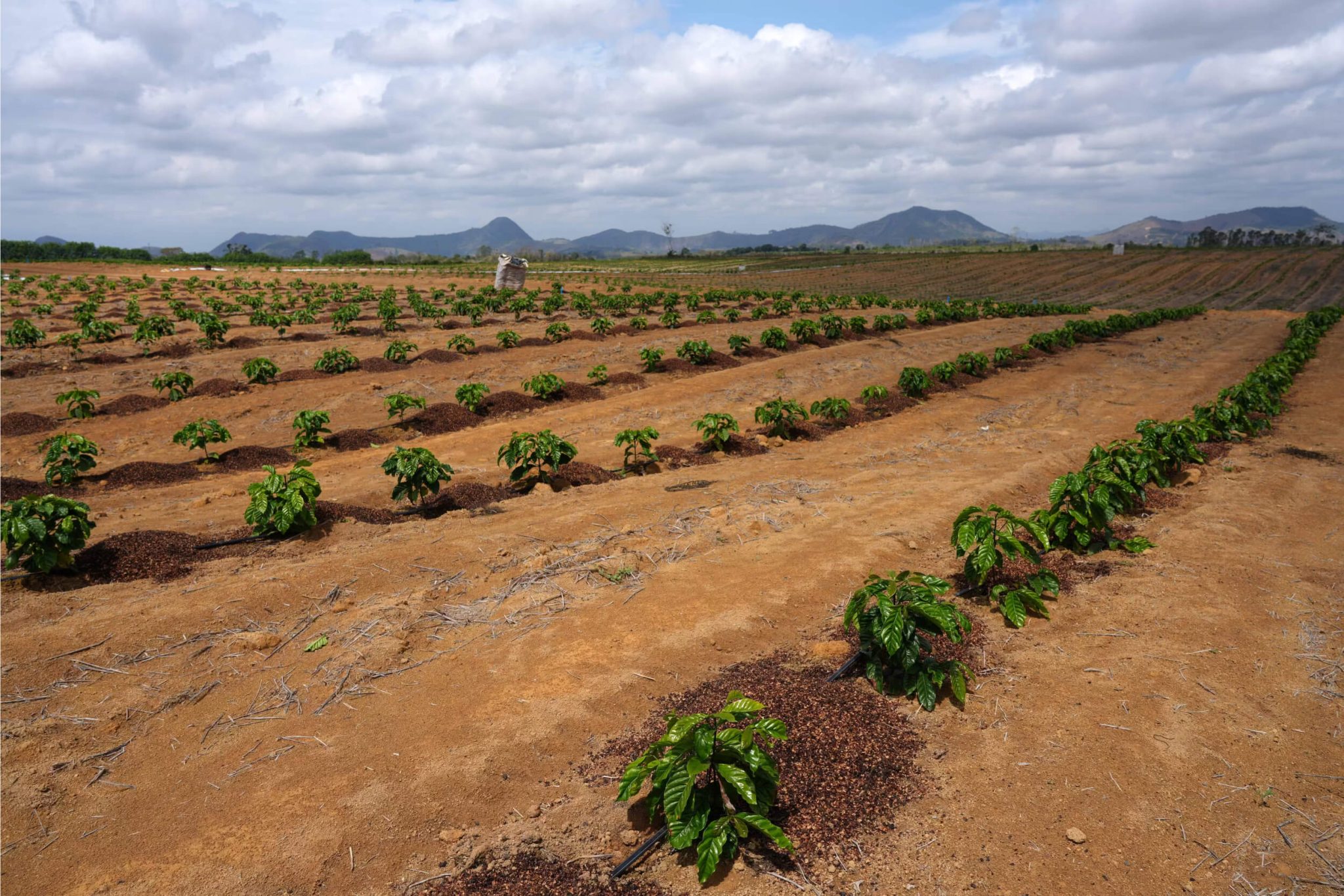
By contrast, Conilon and Robusta-growing regions in Espírito Santo and Rondônia have invested more heavily in irrigation in recent years.
These irrigation systems cannot completely eliminate the risks associated with El Niño, but they help maintain soil moisture and reduce crop losses during periods of hot and dry weather.
Unseasonal Rain Affects Harvesting and Quality
Abnormal weather is not only threatening the next crop but is also affecting harvesting activities already underway.
In some producing areas of southeastern Brazil, rain during the harvest season has slowed picking and coffee drying. High humidity can cause ripe cherries to fall more easily, make it difficult for beans to dry evenly, and increase the risk of uncontrolled fermentation or fungal disease.
Reuters previously reported that unusual rainfall in June disrupted harvesting across several major coffee-producing regions in Brazil. Coffee drying on patios was soaked by rain, while prolonged moisture created favorable conditions for fungal and bacterial diseases to develop on coffee trees.
For farms and processing operations focused on high-quality coffee, rain during the harvest period can also reduce the sensory quality of the beans, making it more difficult for growers to meet the strict standards of the specialty coffee market.
Robusta Tolerates Heat Better, but It Still Has Limits
Canephora coffee, which includes Robusta and Conilon, is generally considered more heat-tolerant than Arabica. However, this does not mean the plants can continue to develop normally under all temperature conditions.
When temperatures become excessively high, plant metabolism and photosynthesis are restricted. Reuters cited Brazilian coffee industry experts as saying that Canephora plants begin to experience stress at temperatures above around 27°C and may almost completely halt metabolic activity when temperatures rise above 35°C.
If extreme heat persists during flowering or fruit development, coffee trees may shed flowers, lose young cherries, or produce smaller beans.
Espírito Santo, Brazil’s most important Canephora-producing state, has already experienced irregular rainfall and heat. This has raised concerns that more visible impacts could emerge in the 2027 harvest.
Rondônia Expects a Record Robusta Crop
In contrast to concerns in some traditional coffee-growing regions, the northern state of Rondônia is expecting a strong Robusta harvest.
Many farms there are equipped with irrigation systems covering nearly their entire cultivated area. Some growers also use overhead sprinkler systems above the coffee canopy to reduce plant temperatures during extremely hot days.
Thanks to reliable access to water and the adoption of modern farming techniques, Rondônia’s coffee sector expects production to reach around 3 million bags, above Conab’s estimate of approximately 2.77 million bags.
Rondônia’s experience shows that investment in irrigation, water management, and suitable coffee varieties can help Robusta-growing regions adapt more effectively to climate variability.
Even so, irrigation systems still depend on a stable water supply. If prolonged drought reduces river levels, reservoir capacity, or groundwater availability, the resilience of coffee farms could still be limited.
Technology Can Reduce Losses but Cannot Eliminate Risk
Compared with previous El Niño cycles, Brazilian coffee growers now have more tools available to respond to extreme weather.
In addition to drip and sprinkler irrigation, farmers are using weather forecasting data, soil-moisture sensors, heat-tolerant varieties, and ground-cover practices to reduce water evaporation.
Some regions are also adjusting planting density, increasing shade cover, or managing tree canopies to limit direct exposure to high temperatures.
These measures can reduce short-term losses, but they cannot guarantee that coffee trees will remain fully protected from extreme heat waves or prolonged water shortages.
Investment costs are also a major barrier for small-scale producers. Not every farmer can afford to install irrigation systems or gain access to newer farming technologies.
Brazil is the world’s largest coffee producer and exporter. As a result, any significant decline in the country’s output could affect global coffee supply and prices.
The development of El Niño over the coming months will therefore be one of the most important weather-related factors for coffee growers, businesses, and traders to monitor.
Sources: Reuters, Conab, and Brazilian coffee industry organizations.