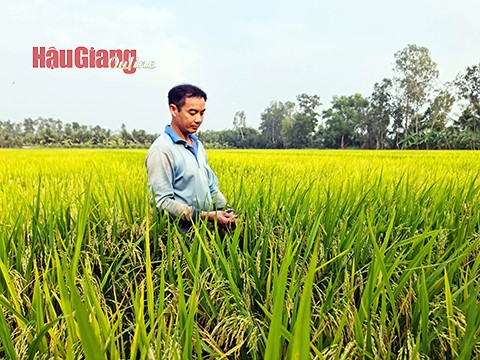


Many rice fields in the province have begun harvesting the winter-spring crop. However, the joy of a bountiful harvest this year is somewhat diminished by lower rice prices compared to the same period in previous years.
In this context, in the rice field belonging to plot number 25 of the Phu Xuan Agricultural Service Cooperative in Tam Nong commune, farmers are still making a decent profit thanks to participating in an ecological rice production model linked to the conservation of the Red-crowned Crane.
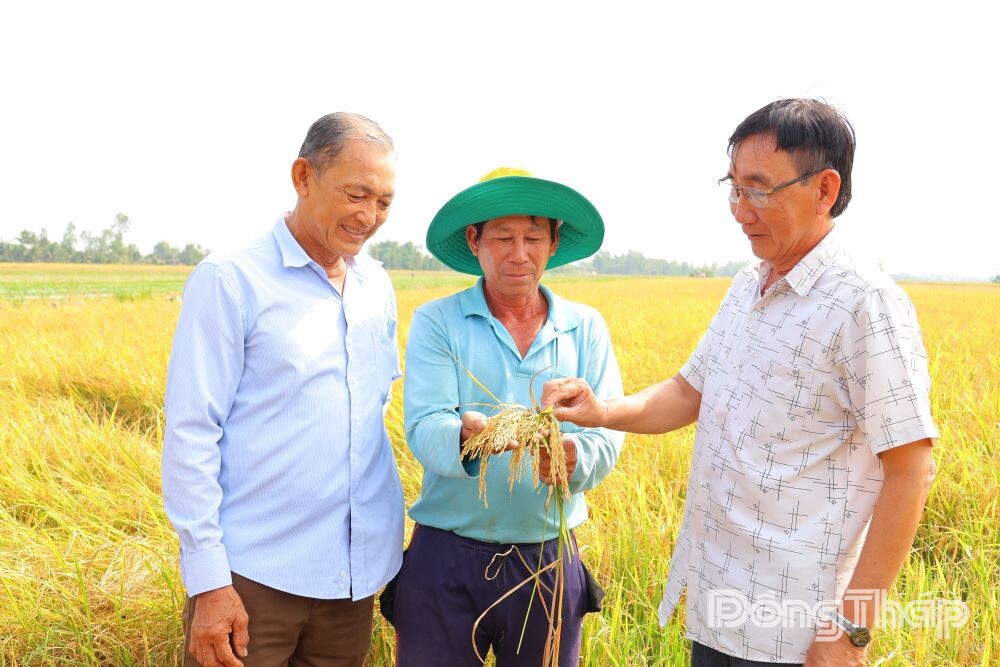
Reducing costs and increasing the value of rice grains is a sustainable solution that farmers in Tam Nong are aiming for through an ecological rice farming model linked to the conservation of the Red-crowned Crane.
Locals commonly refer to this as the “Rice-Cranes” model. Changes in farming methods have helped farmers here reduce input costs and stabilize output, fostering confidence in a more sustainable production approach.
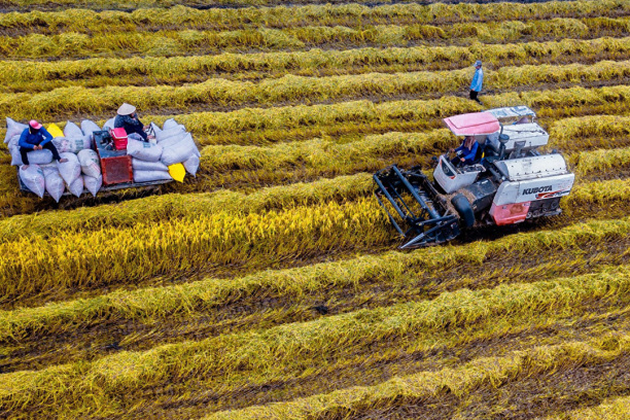
The 171-hectare rice field of the Phu Xuan Agricultural Service Cooperative is bustling with harvest activity. This is the eighth season that farmers in this area have participated in the “Rice-Cranes” model in the buffer zone of Tram Chim National Park.
According to observations, this year’s winter-spring rice yield in the model is 8-8.5 tons/ha, significantly higher than conventionally grown fields. After deducting costs, farmers achieved a profit of approximately 20-25 million VND/ha, 5-8 million VND/ha higher than fields outside the model.
Mr. Le Thanh Nguyen, a farmer from Phu Xuan hamlet, Tam Nong commune, said: “Previously, rice production costs were quite high due to the use of many seeds, fertilizers, and pesticides.
When participating in the model, farmers were guided to change their farming methods, so costs decreased significantly, and profits were much higher compared to traditional rice production methods.”
Another important factor that helps farmers feel secure in their production is the participation of businesses in the model.
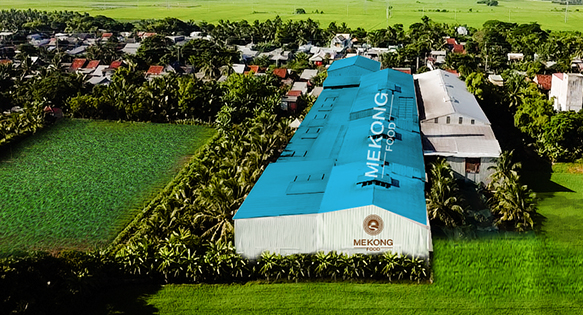
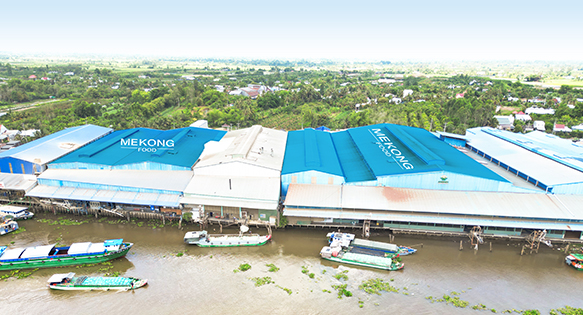
The entire rice area in the model is contracted for purchase by Mekong Food Joint Stock Company right from the beginning of the season. Fresh rice is purchased at the field at the market price of 5,800 VND/kg with an additional support of 200 VND/kg.
In addition, rice is sampled and tested before purchase to ensure no pesticide residue. After harvesting, the rice is transported to the drying facility within 12 hours to maintain the quality of the rice grains.
Mr. Nguyen Thanh Hung, a technical officer of the model, said: “The ecological rice production process is built on the principle of reducing emissions and ensuring food safety.
At the beginning of each season, farmers are trained in rice production processes that reduce pesticide residue, and unnecessary substances are not used.
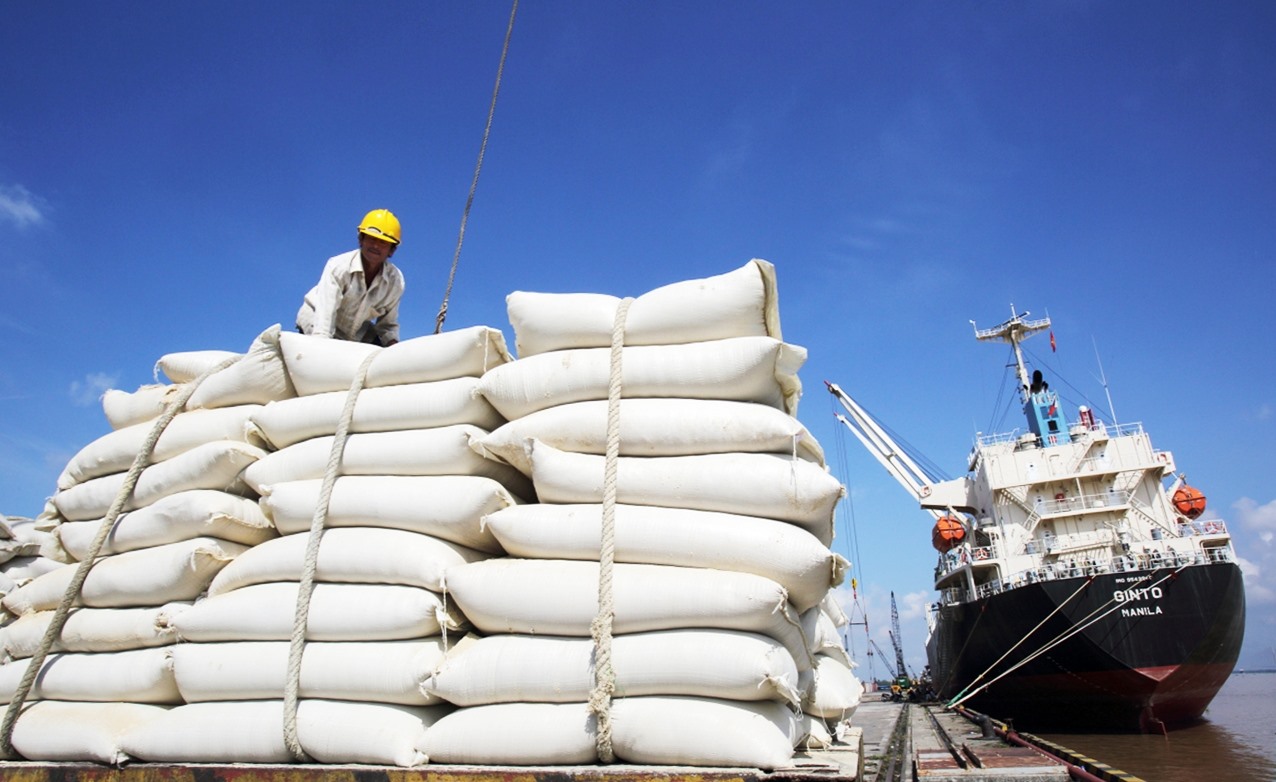
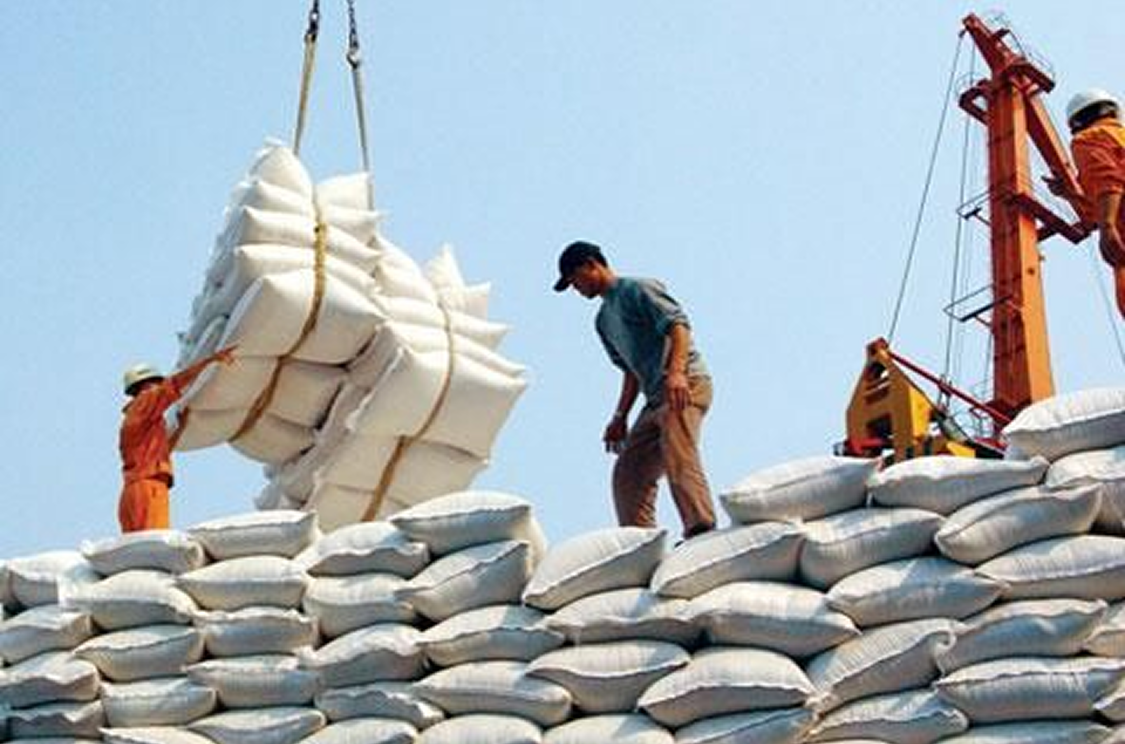
When harvested, the company weighs the rice right in the field and dries it quickly to ensure the rice quality meets export standards,” Mr. Hung said.
According to Mr. Nguyen Van Hung, Director of Phu Xuan Agricultural Service Cooperative: “After 8 seasons of implementation, the model is receiving attention from many farmers in the area.
Farmers see the effectiveness, so many surrounding households also want to participate. With a company linking up to consume the rice right from the beginning of the season, farmers feel more secure in their production and no longer worry about the market as before.”
In 2026, Tam Nong commune plans to expand the model area to 271 hectares and aims to reach approximately 500 hectares by 2030.
From the story of the farmers in Tam Nong, it can be seen that, in the context of a constantly fluctuating rice market, proactively reducing production costs, improving product quality, and building linkages with businesses are essential directions.